

Planning Starts With the Decision in Front of You
Every planning process should begin with a clear question.
Maybe your organization needs to decide which services to strengthen. Maybe a program is changing. Maybe community feedback needs to be organized. Maybe your team has too many priorities and needs help narrowing the path forward.
MIHKO ISKWEW helps you define the planning question first, then shape the process around the people, programs, responsibilities, and realities connected to that decision.
When Strategic Planning Can Help
Direction and Priorities Need to Be Clear
When goals feel broad or everything feels important, planning can help your organization clarify what matters most, what is realistic, and what should move forward first.
Programs or Services Are Changing
When a service model, department, or program is shifting, planning can help your team understand the impact, identify gaps, and respond with more clarity.
Community Input Needs to Be Organized
When people have shared concerns, ideas, or feedback, planning can help turn what was heard into themes, priorities, and next steps.
Existing Plans Need Updating
When a previous plan no longer reflects current realities, planning can help determine what still fits, what needs to change, and what should be carried forward.
A Planning Process Built Around Use
MIHKO ISKWEW does not approach planning as a generic template.
The process is shaped around your organization’s purpose, the decisions being made, and the people who need to be involved. That may include leadership, staff, program teams, community members, service users, or partner organizations.
The goal is to create planning work that is:
- Clear enough for leadership to use
- Practical enough for staff to understand
- Grounded enough to reflect community realities
- Structured enough to support follow-through
Community and Staff Input
Good planning should make room for the people closest to the work.
MIHKO ISKWEW can design and facilitate input sessions with staff, community members, participants, or service users so your organization can better understand what people are experiencing and what needs attention.
Input can be gathered through guided discussions, workstations, small-group activities, staff sessions, or other formats that fit your audience and planning purpose.
The focus is not just collecting opinions. The focus is understanding what the input means and how it can support better decisions.
What Can Come out of Strategic Planning
Community or Staff Feedback Summary
A clear summary of the main themes, needs, concerns, ideas, and patterns that came forward through engagement.
Priority Summary
A focused list of proposed priorities your leadership or program team can review, discuss, and refine.
Recommendations
Practical recommendations connected to your goals, services, responsibilities, and available capacity.
Decision Brief
A concise summary of key findings, options, risks, and considerations to help leadership or program teams make informed decisions.
Service or Program Direction
A written direction that connects priorities to how programs or services may need to continue, change, or improve.
Implementation Plan
A practical action plan that identifies what needs to happen, who is responsible, and when the next steps should move forward.
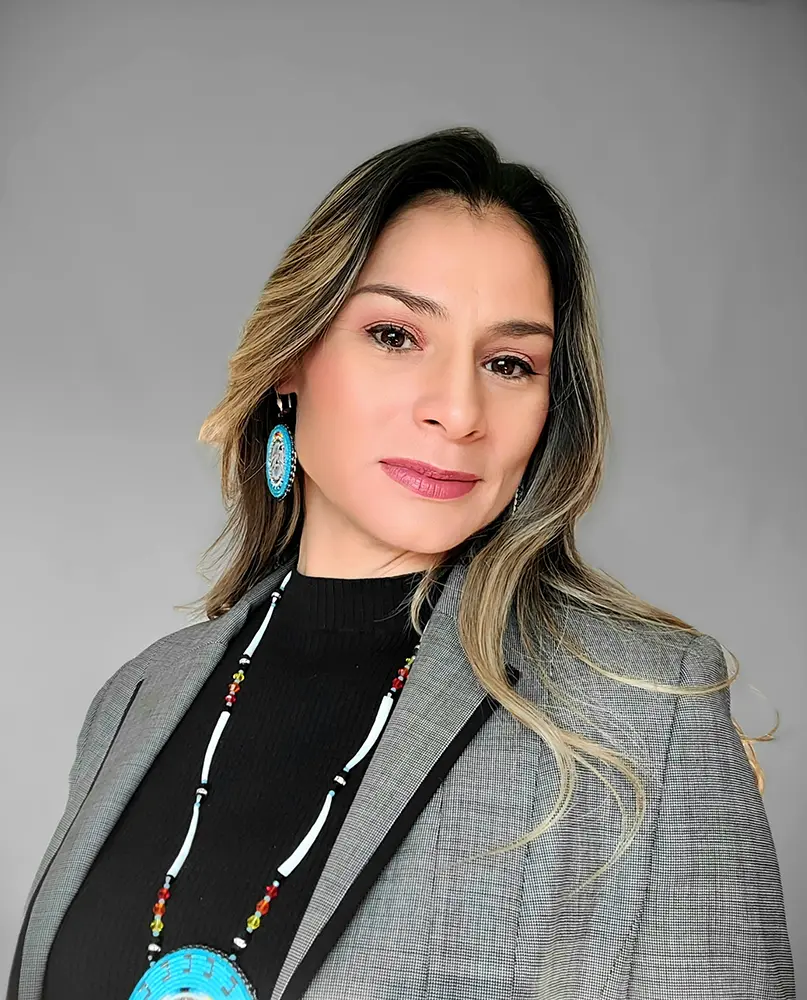
Shawneen’s Planning Lens
Shawneen Bird brings experience across front-line service delivery, workforce development, program leadership, governance support, training, facilitation, and systems design.
That experience shapes how MIHKO ISKWEW approaches planning.
The work considers both the big picture and the day-to-day realities: leadership decisions, staff capacity, program requirements, community needs, reporting expectations, relationships, and what is actually possible on the ground.
This helps planning stay connected to real implementation.
How the Planning Engagement Works
Define the Question
We begin by identifying what your organization needs to decide, resolve, strengthen, or better understand.
Map the Context
We look at the people, programs, services, timelines, pressures, and existing information connected to the planning need.
Gather the Right Input
When needed, we create a respectful input process for staff, community members, participants, or other people connected to the work.
Organize the Direction
Themes, needs, concerns, and opportunities are organized into priorities, recommendations, responsibilities, and next steps your team can review and use.
Confirm the Path Forward
The process closes with practical direction your leadership, staff, or program team can carry into implementation.